Three Brands, One Seamless Experience
Enterprise Consumer Brand (Multi-brand E-commerce)
2023
UX/UI Designer
This project focused on unifying three established sewing and textile brands into a single, cohesive e-commerce experience built on Shopify Plus. The goal was to consolidate multiple direct-to-consumer stores into fewer regional storefronts while preserving each brand’s identity, catalog, and positioning. The platform was designed for hobbyist and enthusiast users — people who see sewing as a passion rather than a purely functional task. These users value inspiration, clarity, and guidance, and often navigate large, complex product catalogs in search of the right machine, accessories, or complementary products. From a UX perspective, the challenge was to design a scalable structure that allowed users to move seamlessly between brands, discover products easily, and complete purchases through a unified checkout experience, all while supporting multiple countries, languages, and regional constraints.
Multi-brand complexity
Each brand had distinct identities, product ranges, and content needs, yet all had to coexist within a single Shopify environment without creating confusion or friction for users.
Large and technical product catalogs
The catalogs were extensive and highly detailed, making product discoverability, comparison, and decision-making especially challenging for non-expert users.
Balancing brand expression with system efficiency
The experience needed to feel tailored and brand-specific on the front end, while remaining efficient and maintainable on the backend through shared structures and components.
Global and localized requirements
The platform had to support multiple regions, languages, shipping rules, and tax constraints, adding complexity to both the user experience and the underlying system logic.
Unified yet flexible experience design
The solution centered on a shared site structure with consistent navigation, layouts, and interaction patterns, combined with brand-specific visual elements such as color, typography, and imagery. This approach allowed users to clearly recognize each brand while benefiting from a familiar and predictable experience.
UX patterns focused on product discovery
To support hobbyist and enthusiast users, the experience emphasized clarity and guidance through smart filtering, product comparison tools, and recommendation patterns that helped users find the right product fit within a large catalog.
Seamless cross-brand shopping flow
A unified checkout, shared customer accounts, wishlists, and support flows reduced friction and enabled users to move across brands without re-learning the experience or re-entering information.
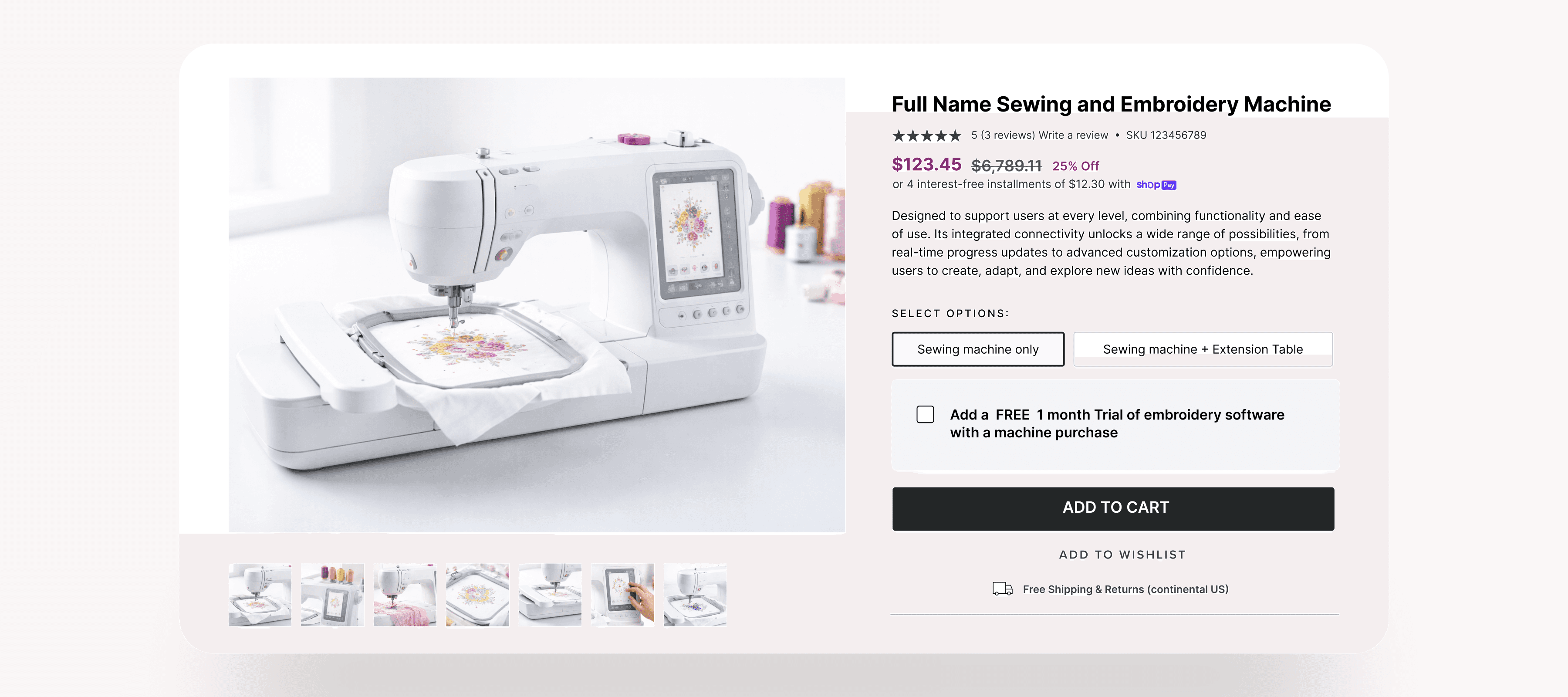
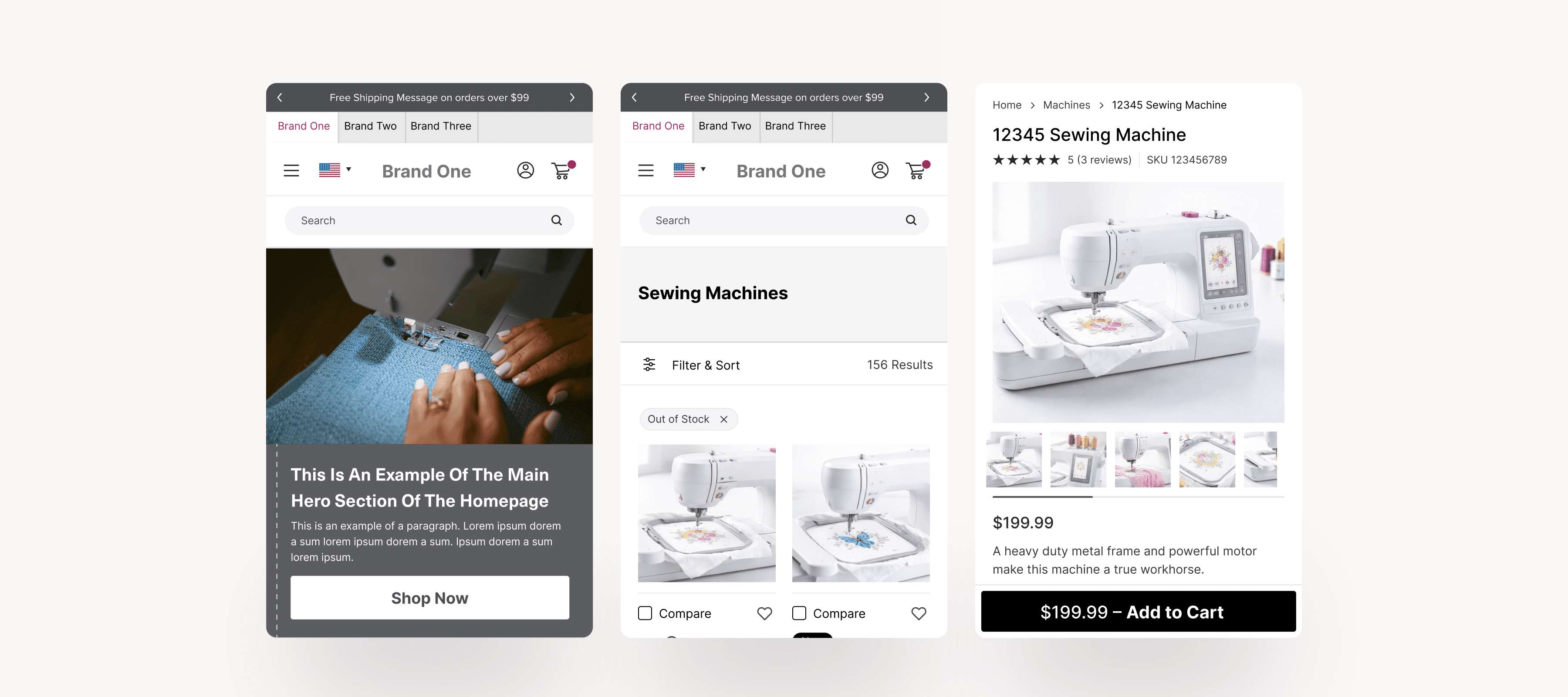
Medium fidelity screens: Product Detail Page - Gallery, product details & buybox.
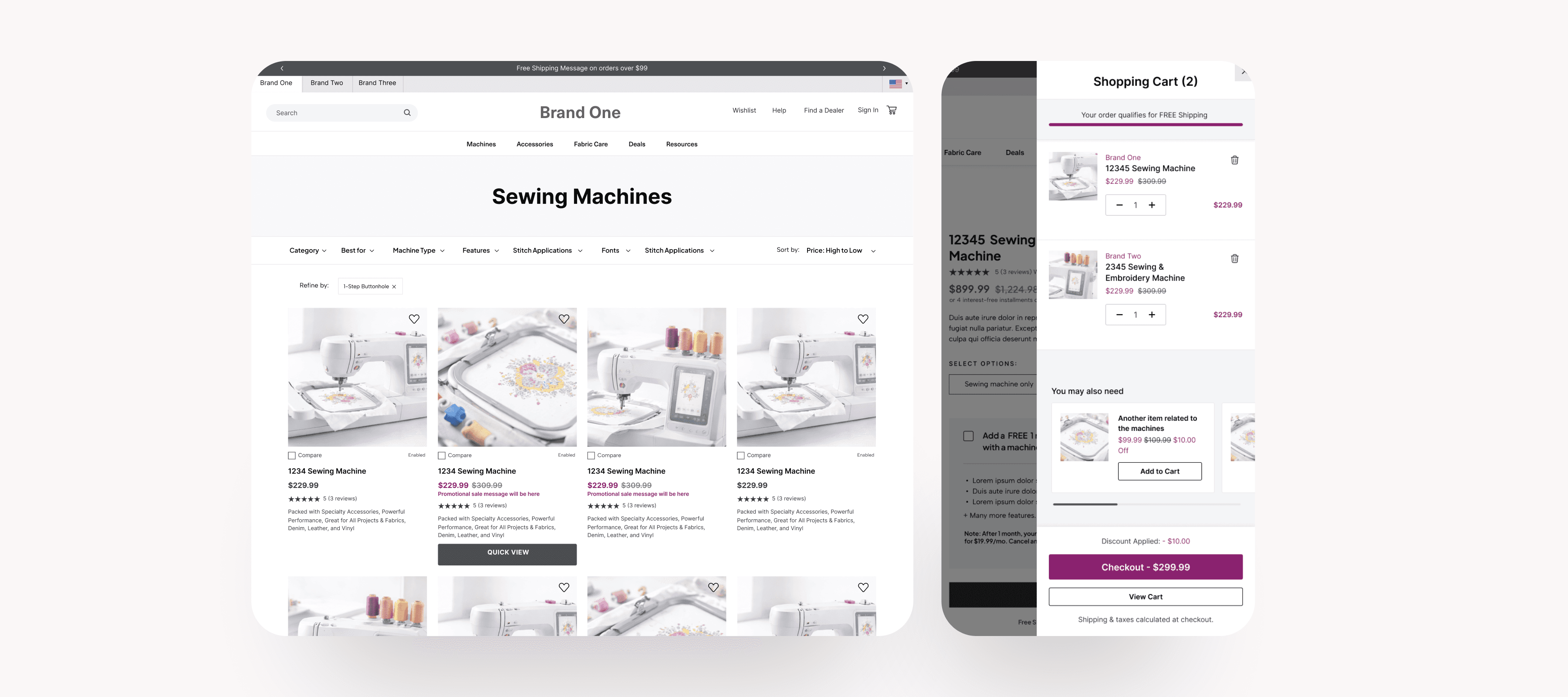
Medium fidelity screens: Product List Page - Cards - Side Cart
I was actively involved across discovery, research, design, and implementation, collaborating closely with lead designers, product managers, developers, QA, and client stakeholders.
During the discovery phase, I contributed to defining the target users, identifying them as hobbyist and enthusiast sewists, and supporting the design direction for a unified yet brand-distinct visual experience across the three brands. A key part of my contribution was conducting a detailed audit of product information across the individual brand stores to understand differences in terminology, attributes, and data structures.
I took the initiative to create a comprehensive product data matrix, mapping how similar product features were labeled and presented differently across brands. This work became the foundation for defining Shopify metafields on PDPs, helping the team align on which information truly mattered to users and how it should be structured and displayed consistently.
Working within an existing design system and Shopify constraints, I designed and refined UI components, PDP structures, and content patterns to improve catalog clarity and product discovery. I also collaborated on the customization of several Shopify apps, including Klaviyo (where I designed email templates), Yotpo, and Octane quizzes, ensuring visual consistency and coherent user experiences across touchpoints.
In addition, I was responsible for optimizing product content to ensure consistency and clarity once products were added to the platform, and I performed ongoing visual QA to validate that implementations met established interaction and visual standards. Throughout the project, I participated in regular reviews, validations, and feedback sessions with both the client and cross-functional teams, maintaining open communication to support smooth execution and alignment.
Research & Discovery · Personas · Product Data Mapping · Information Architecture · E-commerce UX · Shopify (Metafields & Apps) · UI Design Systems · Cross-functional Collaboration · Visual QA
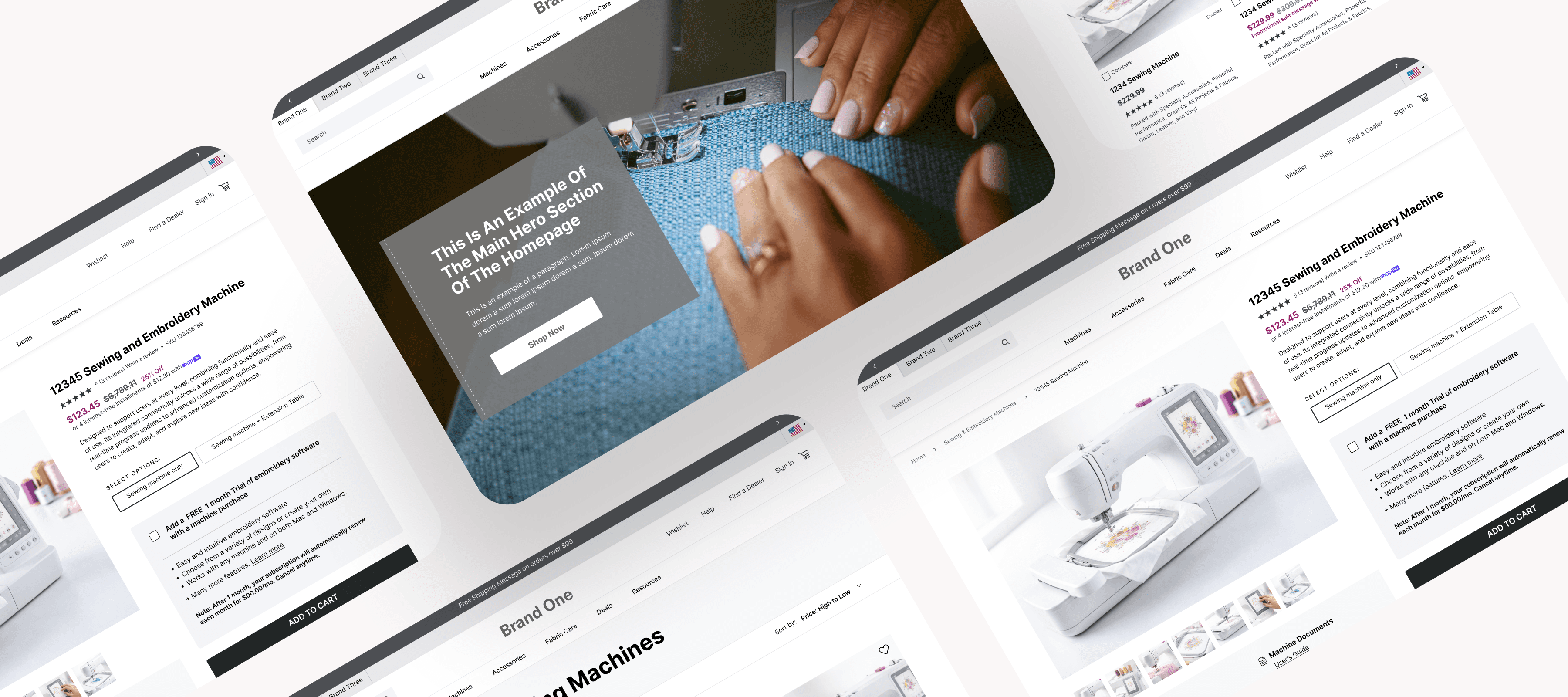
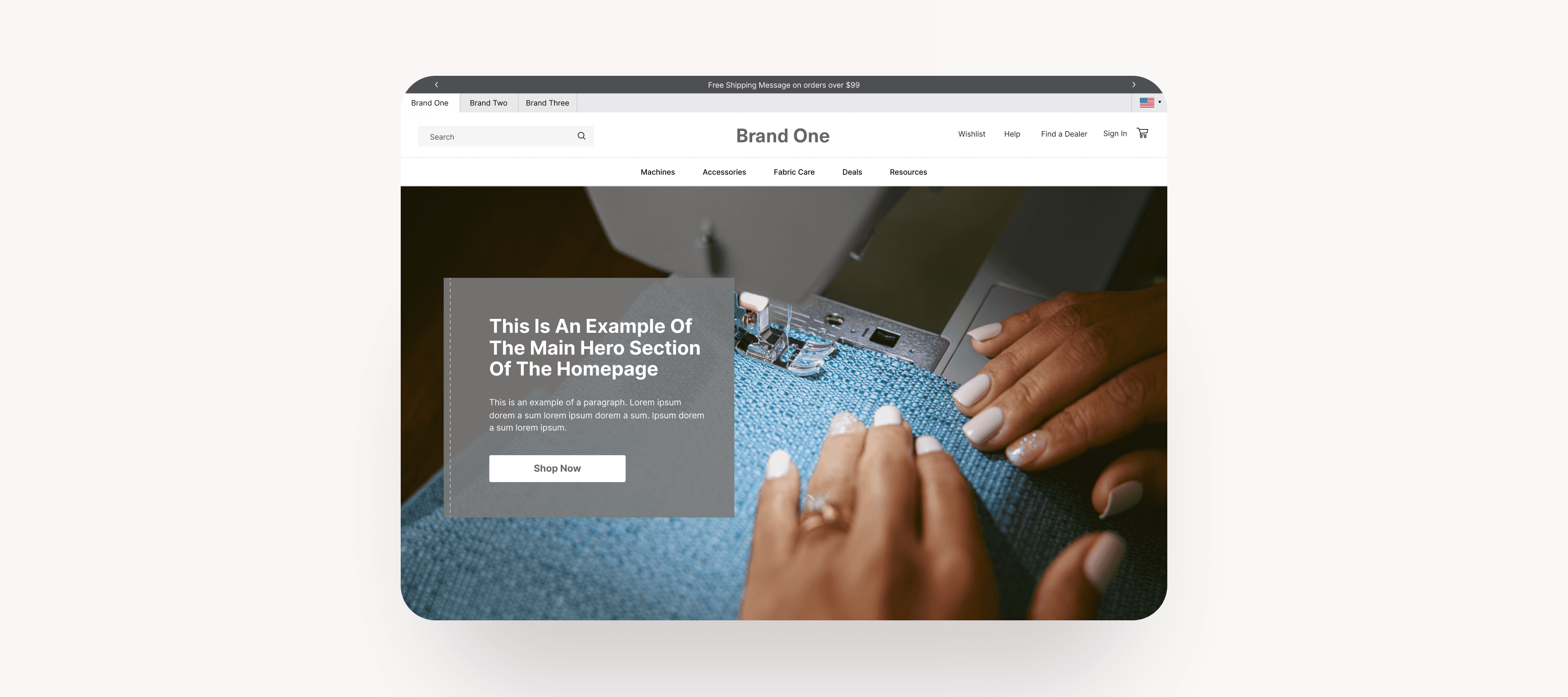
Medium fidelity screens, with main focus on the homepage and product detail page.